
Inspirational

More Evidence Of Biblical Pharoah Found

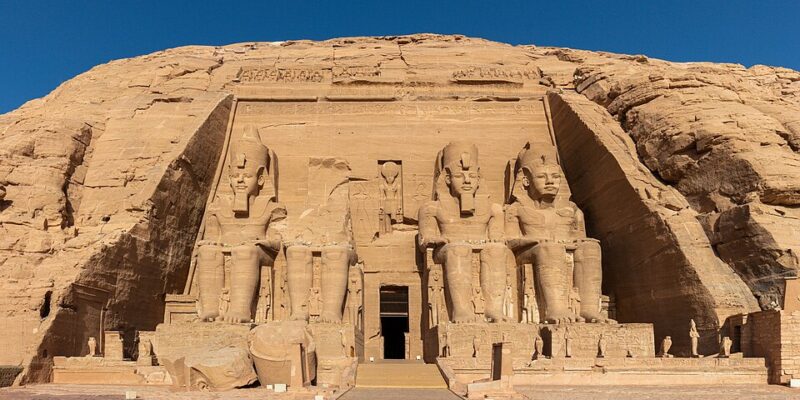
[Diego Delso, CC BY-SA 4.0 , via Wikimedia Commons]

Archaeologists in Egypt have uncovered a large fragment of an ancient statue believed to depict Ramesses II at the Tel Faraoun site in the eastern Nile Delta. He is believed by many to have been the pharoah in the biblical story of the Exodus, according to The Jerusalem Post.

The discovery was made by an Egyptian archaeological mission affiliated with the Supreme Council of Antiquities. The recovered piece includes the lower portion of the figure—its legs and base—and stands about 2.2 meters (roughly 7 feet) tall, weighing an estimated five to six tons.

Despite visible wear, researchers said surviving stylistic elements and royal features link the statue to Egypt’s New Kingdom period and specifically to Ramesses II, who ruled from 1279 to 1213 BC and is widely regarded as one of ancient Egypt’s most powerful pharaohs.

Preliminary analysis suggests the statue may have been transported in antiquity from Pi-Ramesses, the pharaoh’s capital in the Nile Delta, and later reused at Tel Faraoun—known in antiquity as Imet—likely within a local religious or temple complex. Some researchers believe it may have originally formed part of a triad statue group, a common arrangement in ancient Egyptian art depicting a ruler alongside deities.

The fragment has been moved to a storage facility near the San el-Hagar museum area, where it will undergo conservation and further study. Officials said the piece is in relatively poor condition but will be restored according to standard archaeological procedures.

Ramesses II, often referred to as Ramesses the Great, commissioned extensive building projects across Egypt, including major works at Pi-Ramesses. The biblical Book of Exodus references the construction of store cities named Pithom and Raamses in the region, leading some scholars to associate the pharaoh with events described in the text, though the historical basis of the Exodus account remains debated.

Researchers say the find adds to existing knowledge of royal and religious activity in the eastern Nile Delta during the Ramesside period.

[Read More: The Deadliest Cancer May Have Been Cured]

What's your reaction?

Excited
0
Happy
0
In Love
0
Not Sure
0
Silly
0

You may also like

Leave a reply

Your email address will not be published. Required fields are marked *