
 By
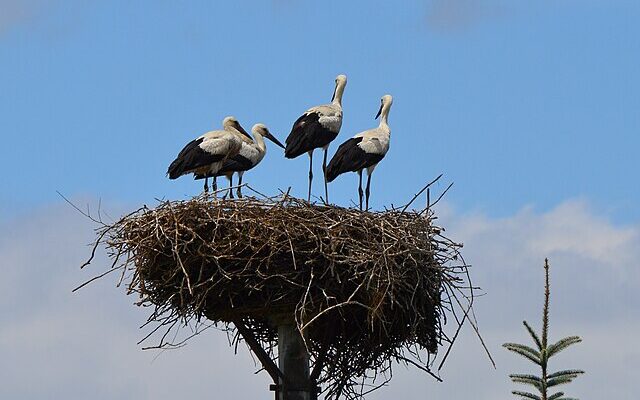
By One of Britain’s most recognizable lost species is set to return to the capital, as white storks prepare to reclaim a place in London’s skyline for the first time in more than 600 years. Officials have confirmed plans to reintroduce the birds to Eastbrookend Country Park, with the first arrivals expected in October 2026.
The effort is part of “Rewilding East London,” a major urban conservation initiative led by London Wildlife Trust in partnership with Barking and Dagenham Council and other groups. The project aims to restore species that once thrived in the region but vanished centuries ago due to habitat loss and human pressure, according to reports.
White storks, instantly recognizable for their black-and-white plumage and expansive wingspans, were once common across Britain. They disappeared as a breeding species in the 15th century, driven out by wetland destruction and persecution. Their planned return to East London follows the success of a reintroduction program at the Knepp Estate, making Eastbrookend only the second publicly accessible site in the country to host a large-scale stork project.
In preparation, park managers have restored wetlands and grasslands designed to support the birds’ feeding and nesting habits. The storks will initially be housed in a purpose-built aviary before being released to forage across lakes and meadows rich in insects, amphibians, and small fish. Conservationists hope the birds will eventually establish a self-sustaining breeding colony, with their large nests also creating habitat for other species.
The rewilding effort extends beyond storks. Eurasian beavers are scheduled to arrive in March 2027, marking another significant ecological milestone. Absent from London for roughly four centuries, beavers were previously reintroduced to Greenford, Ealing, in 2023. Their natural dam-building reshapes waterways, creating ponds and channels that support a wide range of wildlife, from fish and frogs to birds and insects.
Sam Davenport, director of nature recovery at the London Wildlife Trust, said the project challenges assumptions about where meaningful conservation can take place. He noted that East London contains more viable habitat than many people realize, and that the reintroductions could shift how residents view the city’s ecological potential.
The initiative has received substantial financial backing, including nearly £500,000 from Sadiq Khan’s Green Roots Fund, which supports projects aimed at strengthening green spaces and climate resilience. Barking and Dagenham council leader Dominic Twomey has emphasized the project’s broader community value, highlighting opportunities for families, schools, and local residents to engage directly in conservation.
City officials have said the return of storks and beavers as more than an environmental milestone, arguing that access to wildlife should not be reserved for rural areas. By embedding conservation in densely populated neighborhoods and involving local schools and community groups, organizers hope to inspire long-term stewardship of urban nature.